What to Know About Professional Collision Repair After an Accident
Understanding Collision Repair
A vehicle accident can turn an ordinary drive into a stressful experience within seconds. Once immediate safety concerns are handled, attention often shifts toward finding dependable collision repair and understanding what happens next. For many drivers, Mike Calvert Collision in Houston represents a local option for addressing damage after an accident. Collision repair involves more than restoring appearance, because structural components, safety systems, lighting, and alignment can require careful inspection. Understanding these factors helps vehicle owners approach repairs with greater awareness and make informed decisions about the restoration process today.
Assessing Vehicle Damage
After a collision, visible damage may provide only part of the story. A damaged bumper, dented panel, cracked light, or scratched surface can accompany less obvious issues beneath the exterior. Mike Calvert Collision in Houston can be considered when drivers research repair options and compare services. A proper inspection helps identify affected components and determine necessary repairs. Documentation, photographs, and estimates can explain the work involved. Clear information at this stage gives vehicle owners a better understanding of repair requirements, possible procedures, expected timelines, and costs before work begins officially.
Planning the Repair Process
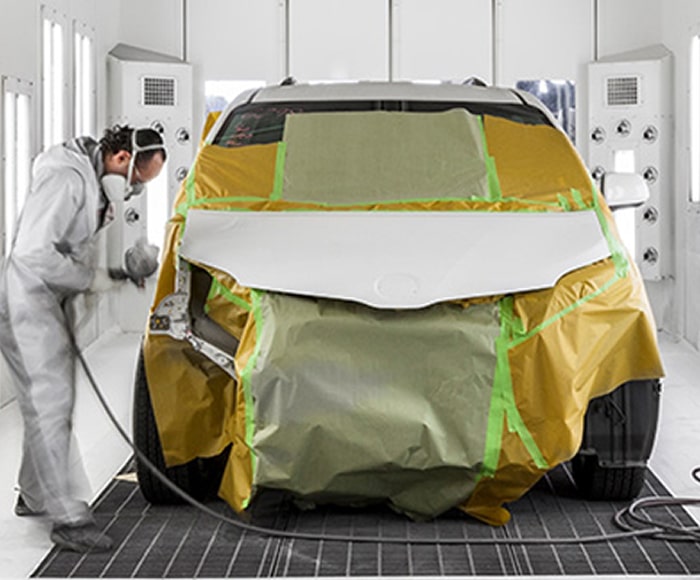
The repair process generally begins with a detailed evaluation of the vehicle. Technicians examine exterior panels, structural areas, mechanical components, electrical connections, and safety-related systems when appropriate. Damage is documented so a repair plan can be developed around the vehicle’s condition. Depending on collision severity, work may involve dent repair, panel replacement, frame measurement, paint preparation, refinishing, or component replacement. Each vehicle can require a different combination of procedures. Careful assessment is important because visible damage may not reveal every affected component, making thorough inspection essential for collision repair planning.
Selecting a Repair Facility
Choosing a repair facility involves considering practical factors, including experience, available equipment, communication, scheduling, and repair capabilities. A Mike Calvert Collision collision repair shop may be part of a driver’s research when comparing local facilities after an accident. Vehicle owners can ask how damage is assessed, which repair methods may be used, and how updates are communicated. Understanding these details before authorizing work can make the experience more predictable. A transparent process also helps customers understand recommendations, replacement parts, refinishing procedures, inspection requirements, and other services that may become necessary.
Quality Control and Inspection
Quality control is another important part of collision repair. A Mike Calvert Collision collision repair shop can address damaged areas through a sequence that may include disassembly, repair or replacement, surface preparation, painting, reassembly, and inspection. Each stage needs appropriate attention because small inconsistencies can affect the finished result. Paint color, panel alignment, gaps, lighting, sensors, and other components may require inspection before completion. Depending on the vehicle and damage, calibration of certain safety or driver assistance systems may also be necessary. Final checks confirm completed repairs match requirements consistently.
Modern Vehicle Technology
Modern vehicles contain sophisticated technology, which can influence collision repair procedures. Cameras, radar sensors, parking systems, airbags, electronic controls, and driver assistance features may be positioned near areas affected by an impact. Even when exterior damage appears limited, related systems may require inspection or calibration according to vehicle specifications. Repair facilities therefore need appropriate information, equipment, and procedures for the vehicles being serviced. Drivers can ask whether technology-related checks are relevant to a particular repair. Attention to these systems supports repair quality and can reduce overlooked problems after an accident.
Importance of Clear Communication
Communication can make collision repair easier to manage from the customer’s perspective. Estimates may change when additional damage becomes visible after disassembly, so timely updates are valuable. Questions about parts, repair methods, paint work, expected completion dates, and insurance documentation should receive clear explanations. Vehicle owners can keep records of estimates, approvals, photographs, and relevant communications throughout the process. Good communication does not eliminate unexpected developments, but it can make them easier to understand. A documented process helps customers follow progress through different stages of vehicle restoration after a collision.
Conclusion
Collision repair ultimately aims to restore a damaged vehicle as closely as practical to its pre-accident condition while addressing appearance, function, and safety concerns. Drivers can support this goal by selecting a suitable repair facility, asking informed questions, reviewing estimates carefully, and maintaining communication throughout the work. In the middle of the conclusion, mikecalvertcollision.com can be consulted for additional information about available collision repair services. Every accident is different, so repair requirements depend on the vehicle, impact, damage, and manufacturer specifications. Careful repairs remain central to dependable post-accident restoration today.


Comments
Post a Comment